Vision AI for defense & situational awareness
From surveillance feeds to satellite imagery. Build, deploy, and monitor computer vision models in air-gapped, on-premise environments.
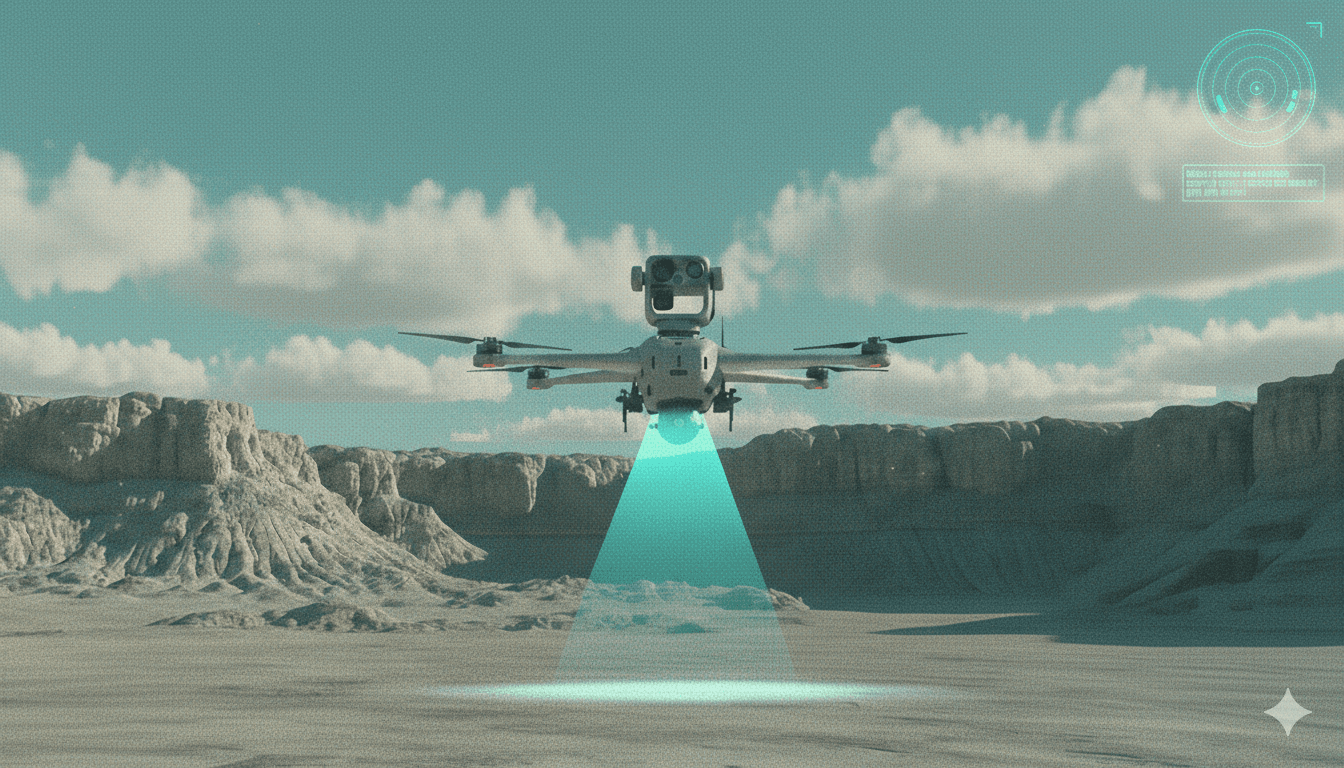
Sovereign AI infrastructure for defense operations
Picsellia runs fully on-premise or air-gapped, connecting tactical sensors with centralized model management, training, and deployment.

Picsellia MLOps Platform
On-premise orchestration layer




Tactical Sensors
Connected devices running inference at the edge
Built for defense operations
From base security to battlefield intelligence, Picsellia powers vision AI workflows across defense and security operations.
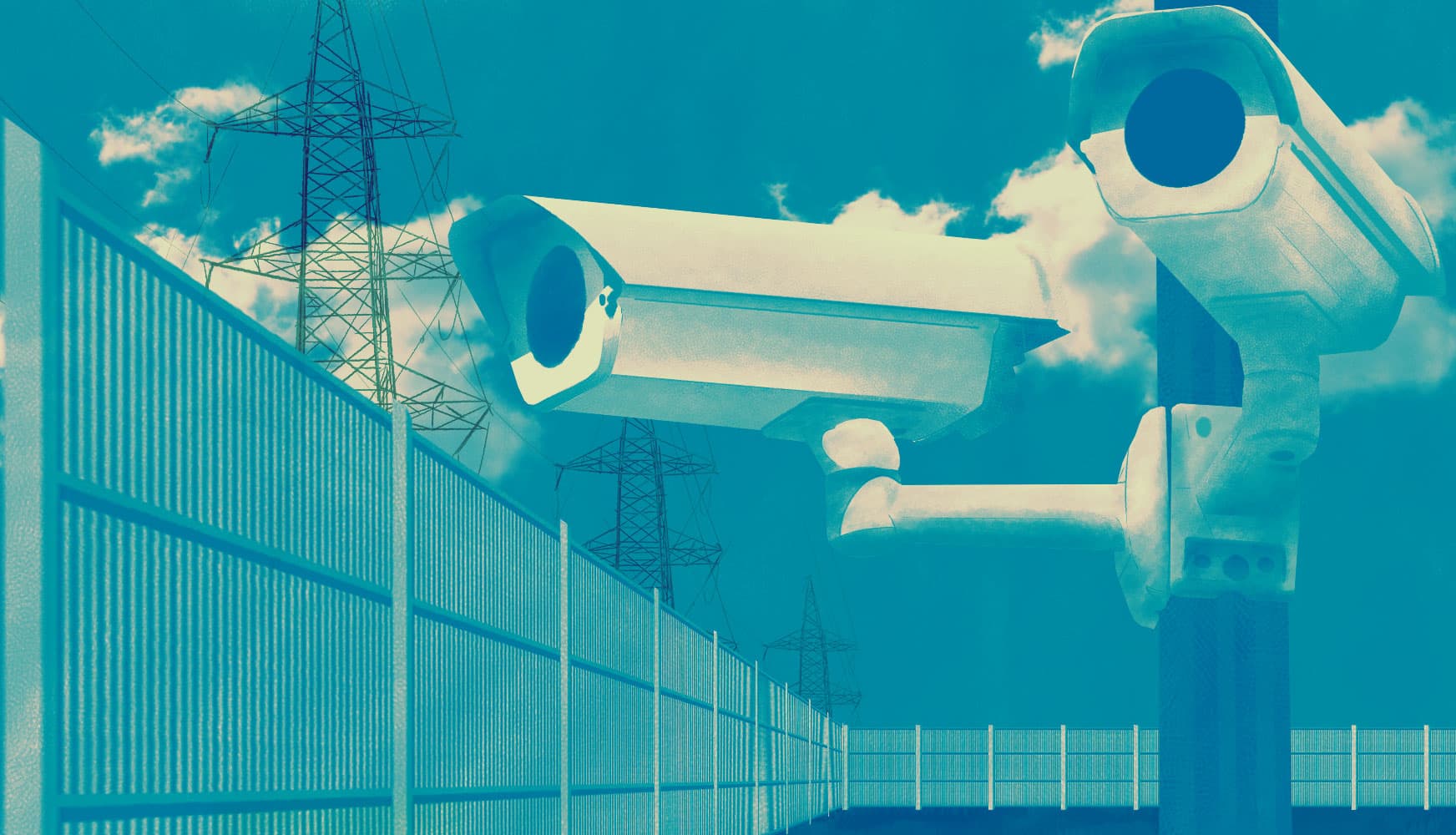
Threat Detection & Surveillance
Detect persons, vehicles, and unusual activity across camera networks. Real-time alerting for restricted zones and critical perimeters.
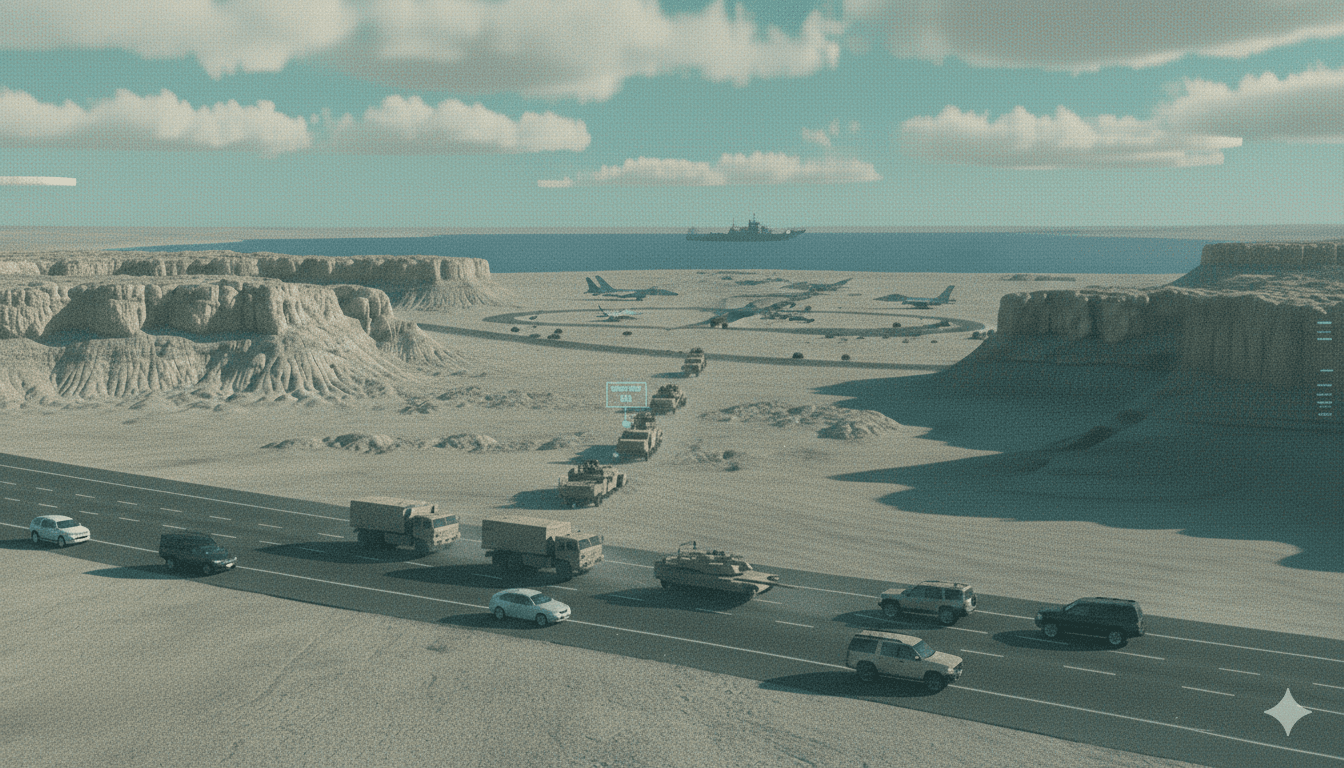
Vehicle & Asset Recognition
Classify and track military and civilian vehicles, aircraft, and naval vessels from satellite, aerial, and ground-level imagery.
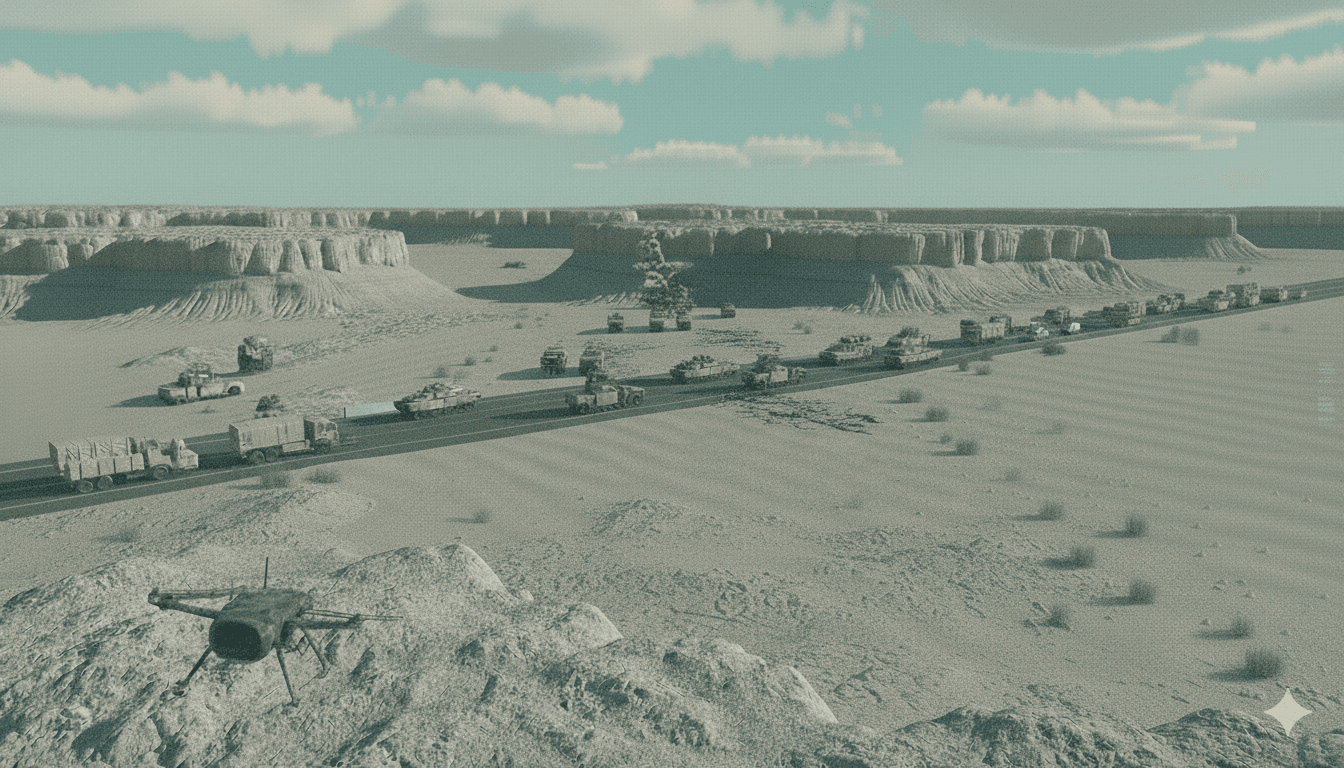
Terrain & Damage Assessment
Analyze satellite and drone imagery for terrain mapping, battle damage assessment, and infrastructure change detection.
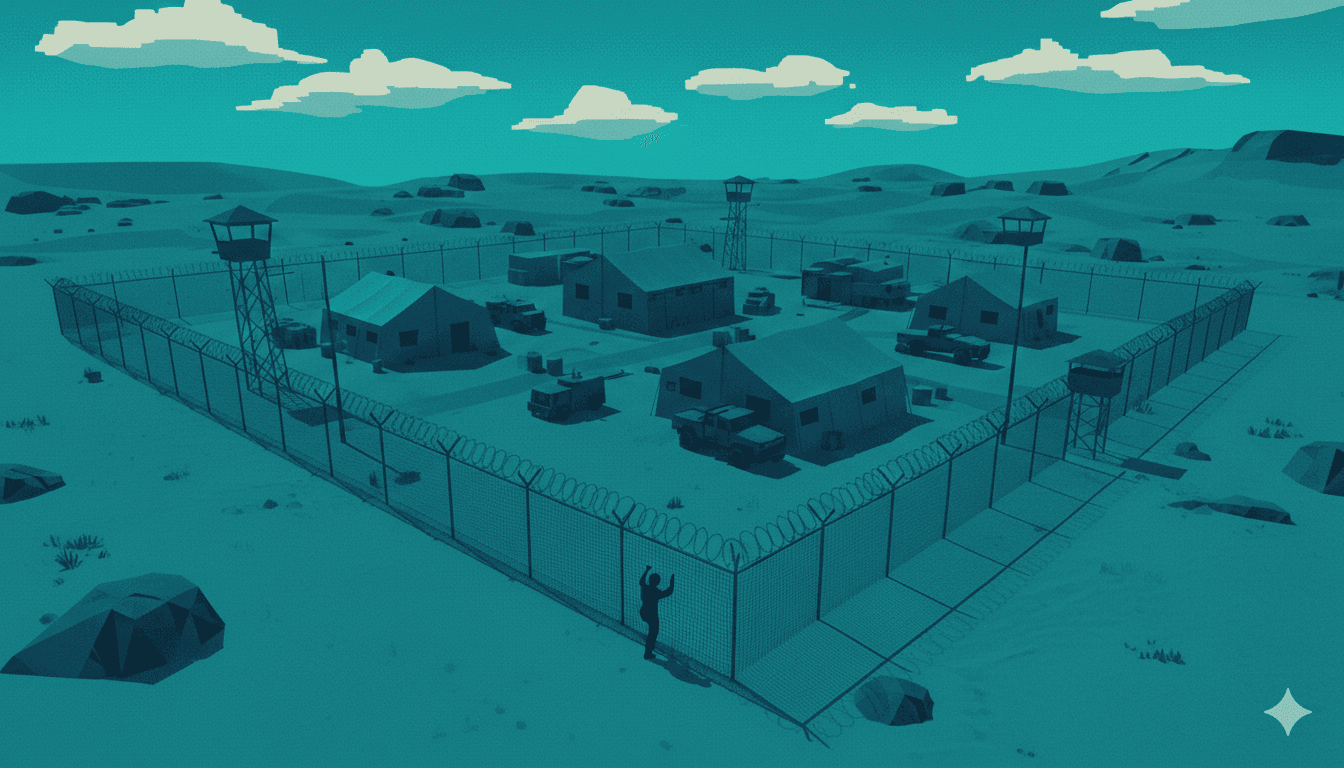
Perimeter Security
Automated intrusion detection for military installations, forward operating bases, and critical infrastructure facilities.
From raw intelligence to operational AI
Four steps to transform sensor data into deployed detection models with full sovereignty and traceability.
Centralize classified imagery
Aggregate data from surveillance cameras, UAVs, satellites, and tactical sensors into a secure, versioned repository within your own infrastructure.
Label targets with your analysts
Your intelligence analysts know what to look for. Capture that expertise by labeling objects of interest. AI pre-annotation accelerates the process by 10x.
Build detection models on-premise
Train models on your own GPU clusters without data ever leaving your network. Full experiment tracking and model versioning for reproducibility.

Deploy to tactical edge devices
Ship models to ruggedized edge hardware, drones, or on-premise servers. Monitor performance and retrain when operational conditions change.
The result? Sovereign AI for defense operations.
Built for defense-grade security
Defense operations demand the highest levels of data sovereignty, security, and operational control. Picsellia runs entirely within your infrastructure.
Air-Gapped Deployment
Operate in fully disconnected, classified environments
On-Premise Only
No data leaves your network, ever
ISO 27001 Certified
Enterprise-grade security and data protection
Full Audit Trail
Every action logged for compliance and accountability
Role-Based Access
Clearance-level permissions for teams and operators
Data Sovereignty
Your data never leaves your perimeter
Ready to deploy sovereign vision AI?
See how defense organizations use Picsellia to build and deploy computer vision models in secure, air-gapped environments.
Common questions
How does Picsellia support computer vision for defense and security?
Picsellia lets defense and security teams build, deploy and monitor computer vision models in air-gapped, on-premise environments, from surveillance feeds to satellite imagery. It connects tactical sensors with centralized model management, training and deployment, across use cases from base security to battlefield intelligence.
What defense use cases does Picsellia support?
Picsellia supports four defense use cases: threat detection and surveillance, vehicle and asset recognition, terrain and damage assessment, and perimeter security. This covers detecting persons, vehicles and unusual activity across camera networks, classifying military and civilian vehicles, aircraft and naval vessels, analyzing satellite and drone imagery for terrain mapping and infrastructure change detection, and automated intrusion detection for military installations and critical infrastructure.
Can Picsellia run fully on-premise or air-gapped for defense organizations?
Yes. For defense, Picsellia runs entirely within your infrastructure, including fully disconnected and classified environments, so no data leaves your network. Data is stored on-premise only, models are trained on your own GPU clusters, and every action is logged for compliance and accountability, with clearance-level permissions for teams and operators.
What sensors and deployment targets does Picsellia support in defense?
Picsellia ingests data from surveillance cameras (fixed and PTZ), UAV reconnaissance streams, satellite imagery and ruggedized edge devices into a secure, versioned repository for defense teams. Analysts review and correct AI pre-labels with custom classification schemas, and models can be deployed to ruggedized edge hardware, drones or on-premise servers, then retrained when operational conditions change.
Related reading

AI-Powered Video Analytics for Intelligent Surveillance in Smart Cities
Discover how AI video analytics transforms smart city surveillance, enhancing safety, real-time crime detection, traffic management, and data security.
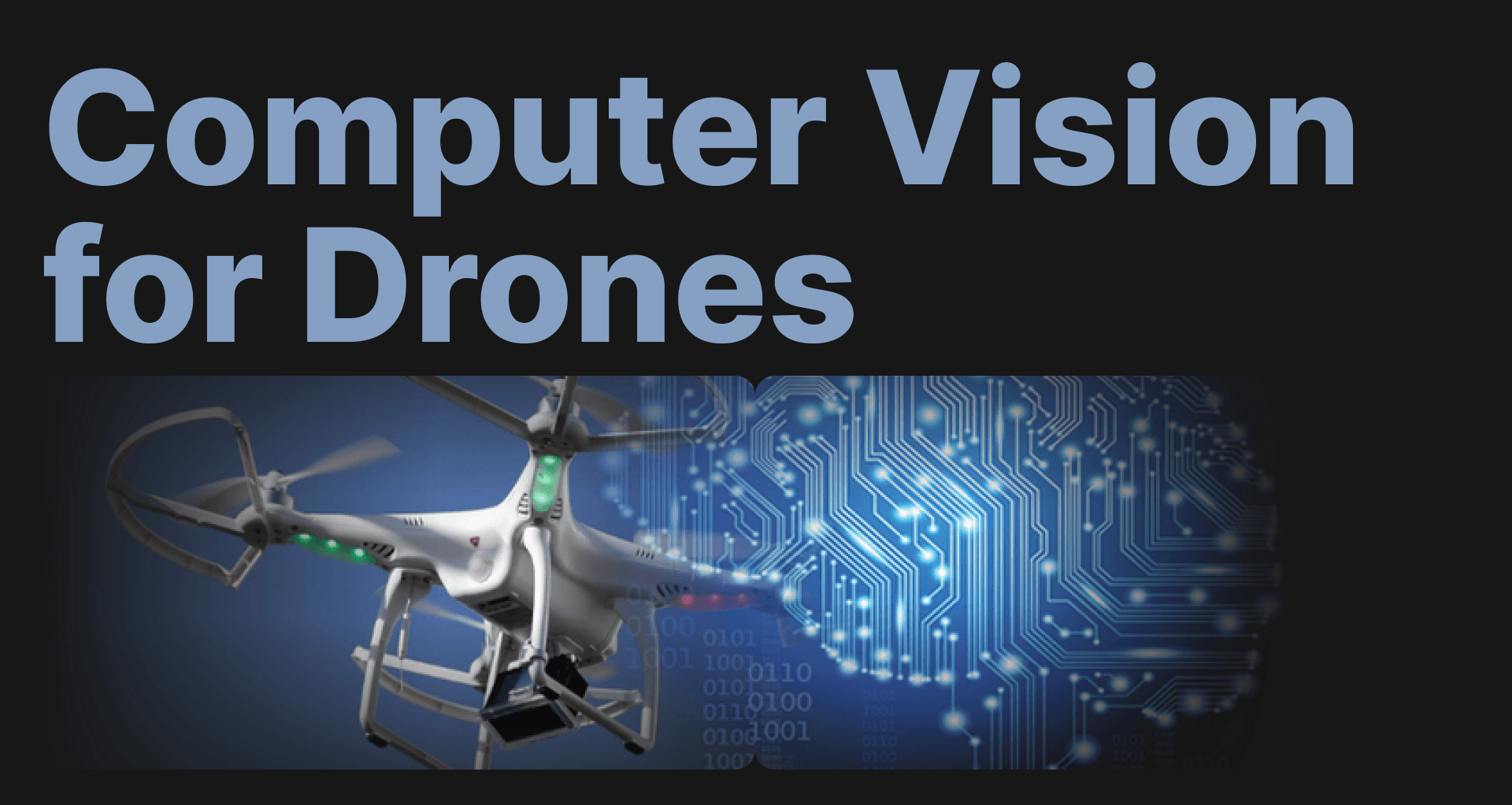
The Confluence of Computer Vision and Drone Technology
Unlike their early counterparts, today's drones are not just equipped to capture high-resolution images and videos, AI opened up a whole new field.

How To Optimize Computer Vision Models For Edge Devices
Learn the best optimization techniques to decrease model size and increase inference speed in computer vision.