All Your Visual Data. One Place.
Aggregate, organize, and explore billions of images and videos from any source. One unified repository for all your computer vision data.


How it works under the hood
Connects to S3, GCP, or Azure. Ingests any image or video format. Indexes everything so you can query it later.
AWS S3GCPAzurefrom picsellia import Client
client = Client()
datalake = client.get_datalake()
# Upload with metadata
datalake.upload_data(
filepaths="./images/*.jpg",
tags=["production", "batch-42"],
metadata={"reference": "factory-A"}
)
# Query with filters
data = datalake.list_data(
tags=["production"]
)# Query with tags
data = datalake.list_data(
tags=["defects"]
)
# ✓ 2,847 results
# Query with custom_metadata filter
data = datalake.list_data(
custom_metadata={"location": "factory-A"}
)
# ✓ 1,245 results
# Combine tags and dimensions
data = datalake.list_data(
tags=["production", "validated"],
limit=1000
)Image & Video Format Support
Ingest standard visual data formats
Processing Pipeline
Embeddings generation & database indexing
Powerful Data Querying
Query your datalake programmatically with the Python SDK. Filter by tags, metadata, and more with full type hints and auto-completion.
# Advanced data query
data = datalake.list_data(
  # Filter by tags
  tags=[
    "production",
    "validated"
  ],
  # Filter by custom_metadata
  custom_metadata={
    "location": "factory-A"
  },
  limit=1000
)

for item in data:
print(item.filename)Find similar images instantly
OpenCLIP embeddings turn your images into vectors. Search by similarity, cluster by content, and spot outliers without writing a single query.
Similarity Search
Image → ImagesText-to-Image Search
Text → ImagesAnomaly Detection
Isolation ForestFine-tune Your Own CLIP Model
Generic embeddings not cutting it? Fine-tune a CLIP model on your own data. Search and clustering get much better when the model knows your domain.
DataTags & Metadata Schema
Multi-dimensional organization with flexible tagging and comprehensive metadata support. Structure your data without moving files.
{
  // Location & Acquisition
  "latitude": 48.8566,
  "longitude": 2.3522,
  "altitude": 35.2,
  "acquired_at": "2024-03-15T14:32:00Z",
  "acquired_by": "drone-unit-7",
  "weather": "clear, 18C",

  // Camera & Sensor
  "focal_length": 24.0,
  "sensor_width": 36.0,
  "manufacturer": "DJI",
  "yaw": 127.5,
  "pitch": -45.0,
  "roll": 0.0,

  // Reference Fields
  "reference": "INS-2024-0042",
  "custom_id": "B-789"
}Ready to centralize your data?
Connect your storage, upload your data, and start querying. Free trial, no credit card.
Related reading
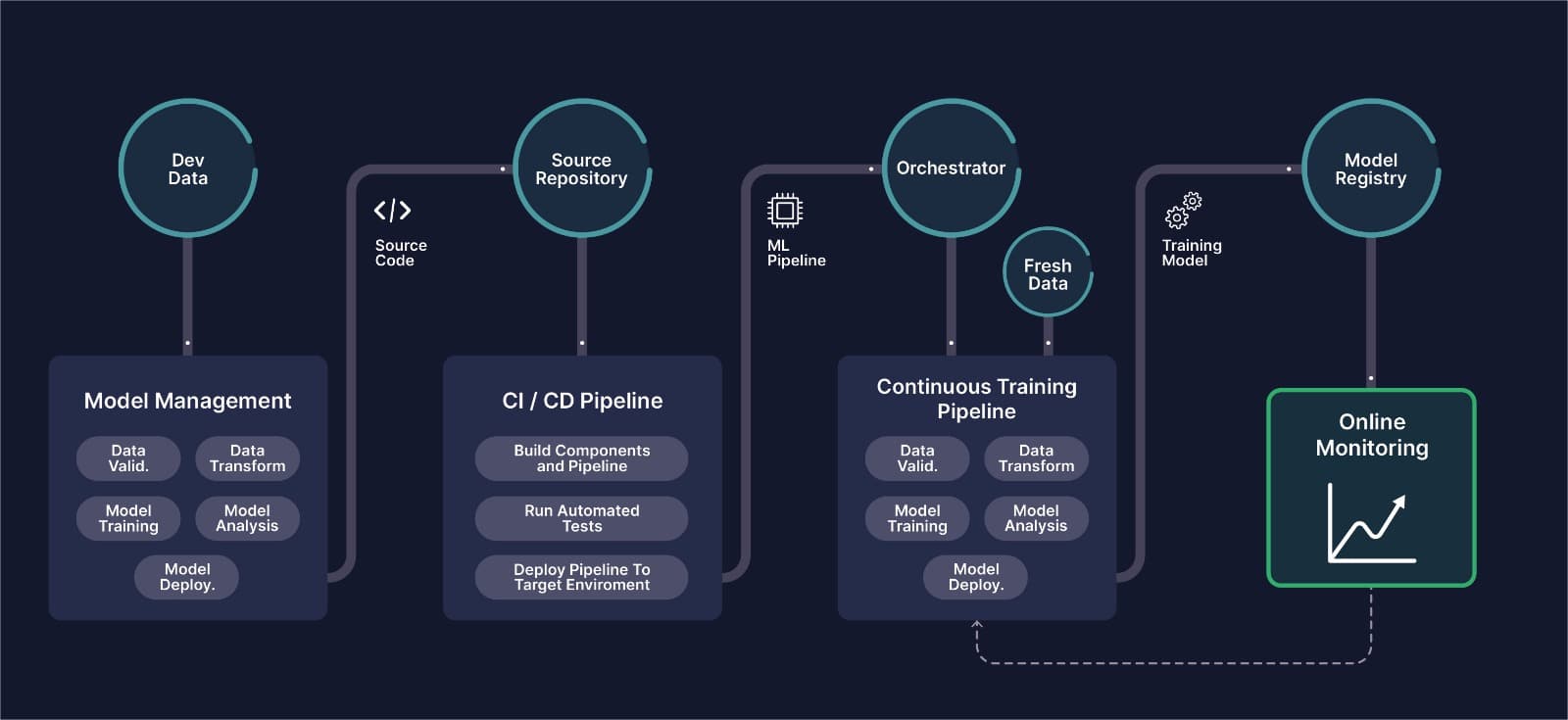
MLOps for Computer Vision: The Complete Guide
What CVOps actually means, why classical MLOps tooling breaks down on image and video data, and how the six stages of a computer vision pipeline fit together in production.
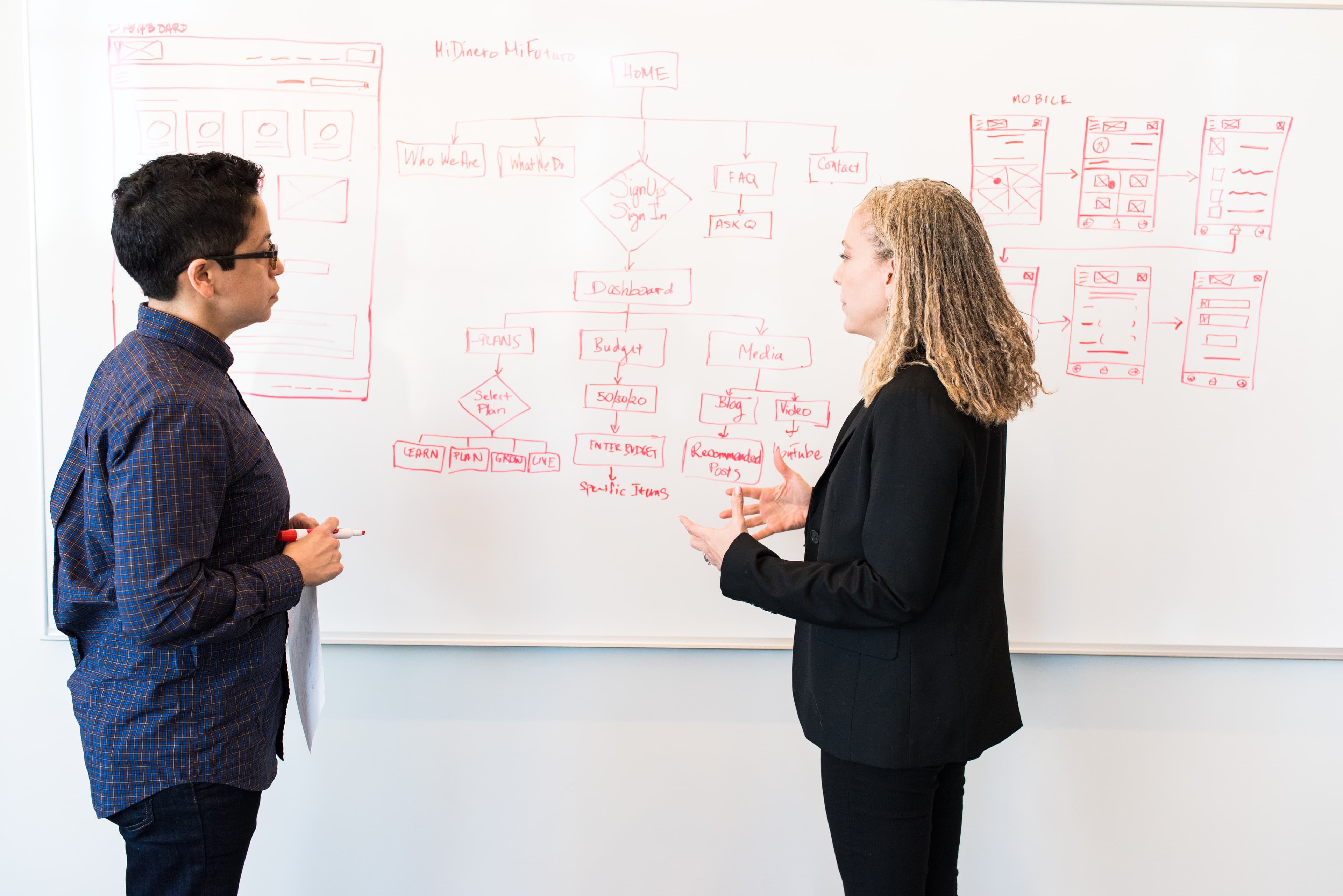
4 Things to Consider To Choose a Data Management Platform
Working with large datasets can be challenging. If you don't know what elements to consider when picking a data AI platform, then this article is for you.
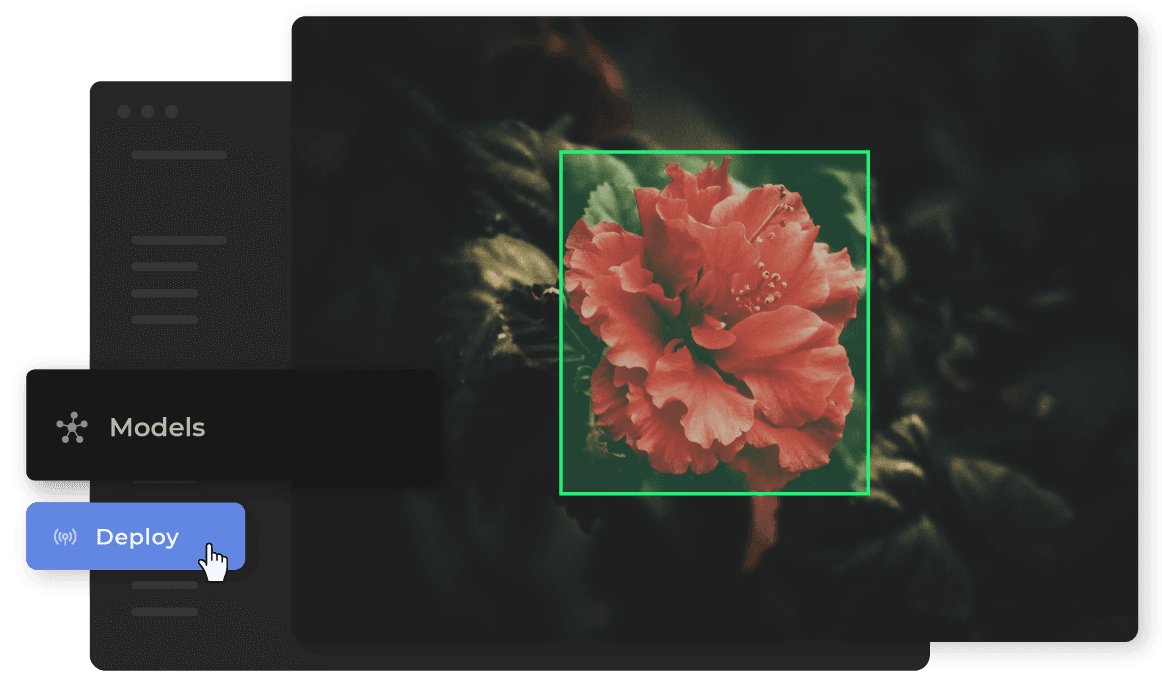
Data Management in AI: Key Success Factor
Learn about key success factors for data management in AI.
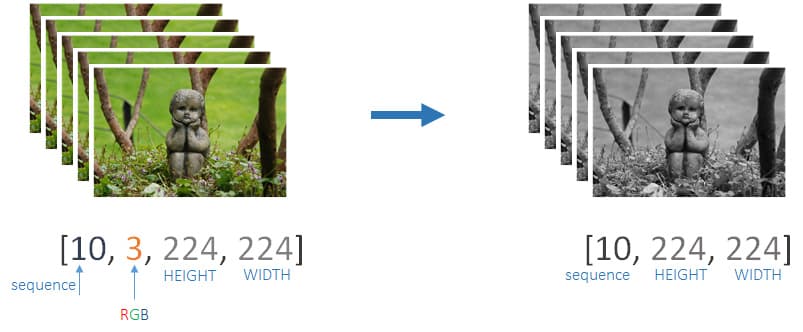
Computer Vision Dataset Slicing
Discover dataset slicing, a technique used to divide large datasets into smaller parts to train and test models and improve model accuracy.
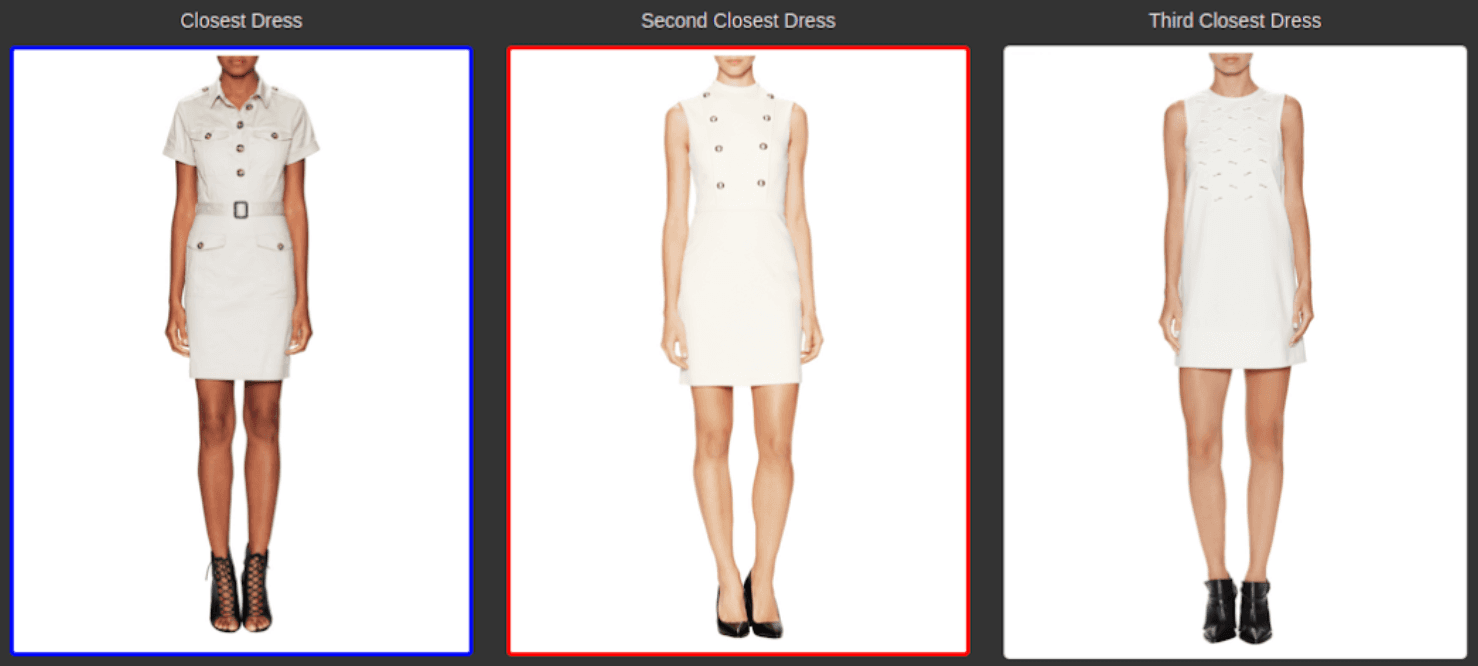
How We Built A Dataset Visual Similarity Search Feature
Learn how we built a dataset visual similarity search feature with embeddings and Qdrant.
Data Versioning & Feedback Loop Best Practices
Data versioning is an effective methodology used when running many experiments that entail different data processing techniques. Find our best practices!