Entraînez vos modèles à votre façon
Du no-code aux pipelines PyTorch personnalisés. Choisissez votre niveau de contrôle et laissez Picsellia gérer l'infrastructure.




Choose your level of control
Start with no-code for quick iterations, use the SDK for automation, or build fully custom pipelines when you need complete control.
No-Code Training
Launch training jobs directly from the UI. Select a pre-built pipeline, configure parameters, and start training.
Python SDK
Full programmatic control with our Python SDK. Integrate into your existing workflows and CI/CD pipelines.
from picsellia import Client

client = Client()
project = client.get_project("defects")

# Create experiment
experiment = project.create_experiment("yolo-training")

# Attach dataset
dataset = client.get_dataset("defects").get_version("v3")
experiment.attach_dataset("train", dataset)Custom Pipelines
Build custom training pipelines with CV Engine. Modular steps, any framework, full flexibility.
from picsellia_cv_engine import step, Pipeline

@step
def train(context):
    model = load_model(context.parameters)
    for epoch in range(context.parameters.epochs):
        # Your training logic
        context.experiment.log("loss", loss)
    context.experiment.store("model.pt")

pipeline = Pipeline([train])
pipeline.run()Production-grade models, ready to train
Start training in minutes with our pre-built pipelines. Ultralytics for YOLO, SAM2 for segmentation, Grounding DINO for zero-shot detection, and more.
Ultralytics
productionTrain YOLOv8/v11 models for detection, segmentation, and classification

SAM2
productionSegment Anything Model for automatic mask generation and refinement
Grounding DINO
productionOpen-set object detection with text prompts for zero-shot labeling

CLIP
productionFine-tune embeddings for domain-specific similarity search
Build custom pipelines with ease
Picsellia CV Engine is a modular toolkit for building computer vision workflows. Composable steps, framework extensions, and CLI automation.
Modular Steps
Build pipelines from reusable, composable steps with @step decorators
Framework Extensions
Pre-built integrations for Ultralytics, SAM2, CLIP, and more
Local & Remote
Test locally, deploy to Picsellia cloud with one command
Auto Logging
Metrics, artifacts, and parameters logged automatically
Managed GPUs

Bring Your Own Compute
Connect your AWS SageMaker account to train on your own infrastructure while keeping full orchestration through Picsellia.
Zero infrastructure to manage
Focus on your models, not your servers. Train on our managed A100 GPUs at $3.50/hr, or connect your own SageMaker account for full flexibility. Picsellia handles environment setup and job orchestration.
Connected to your entire workflow
AI Lab connects directly to datasets, experiment tracking, and model deployment. Full lineage from data to production.




Ready to train your models?
Start with no-code training or build custom pipelines. Zero infrastructure to manage.
Lectures associees
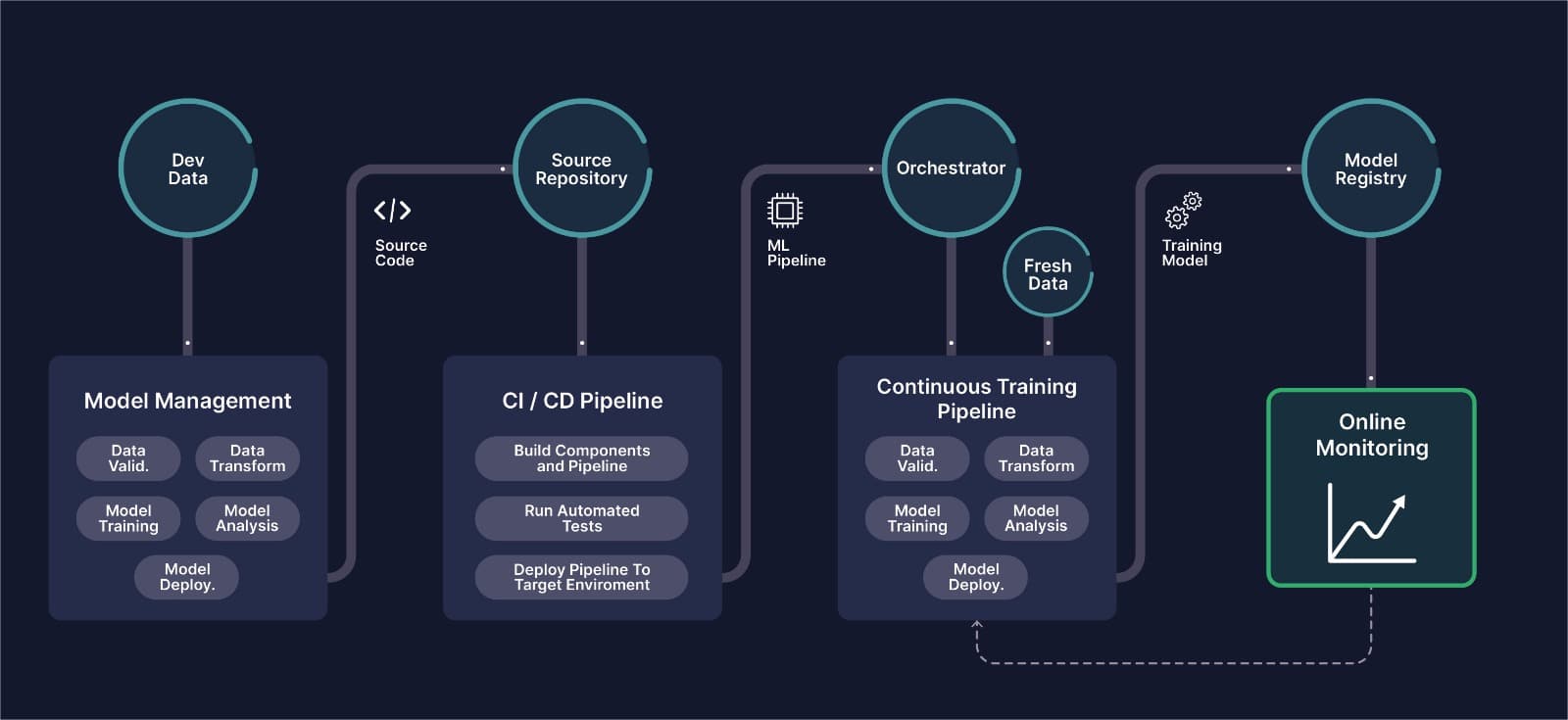
MLOps for Computer Vision: The Complete Guide
What CVOps actually means, why classical MLOps tooling breaks down on image and video data, and how the six stages of a computer vision pipeline fit together in production.
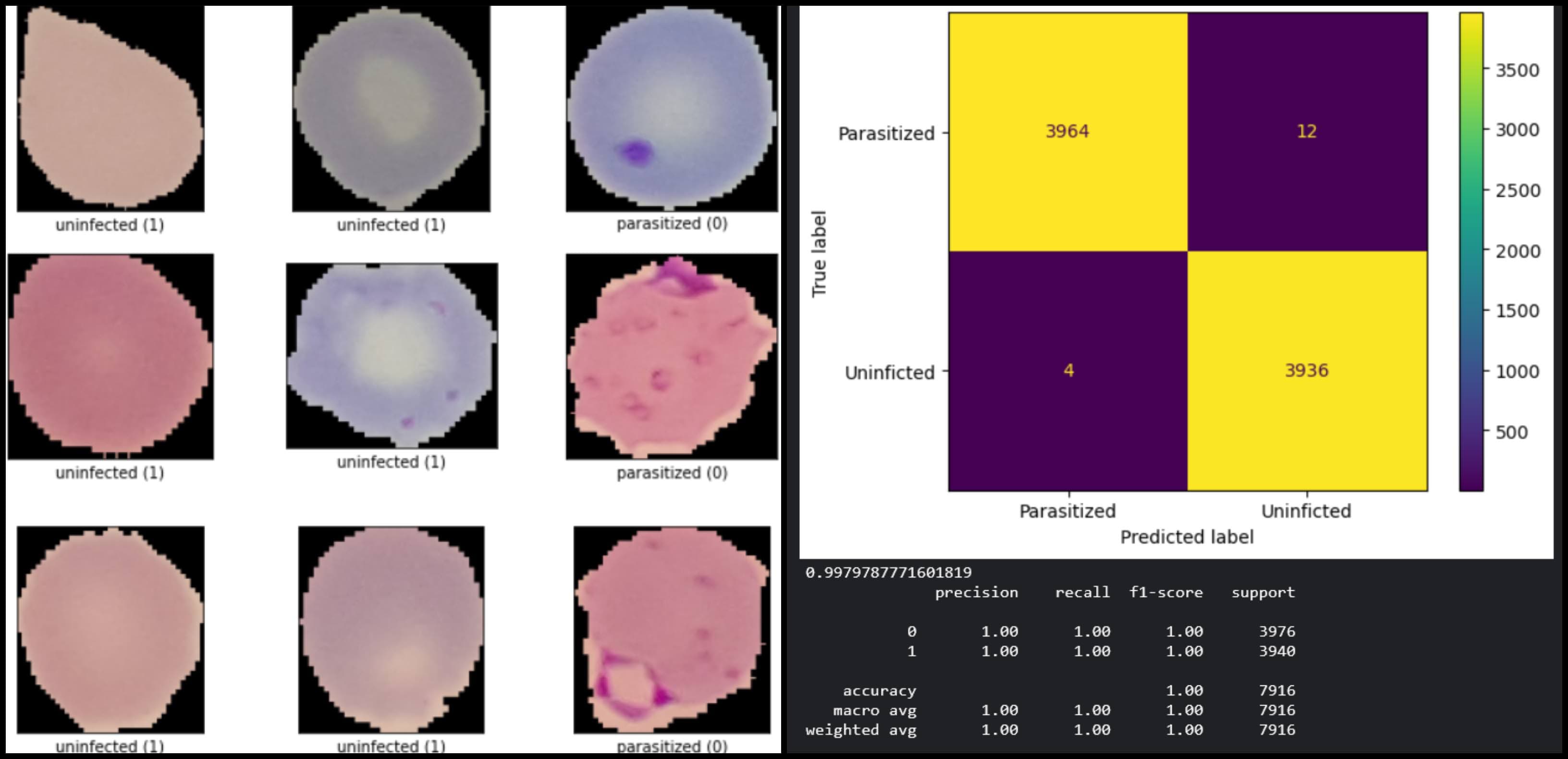
Bonnes pratiques pour le fine-tuning des modèles de vision par ordinateur
Cet article vous présente les bonnes pratiques pour le réglage des hyperparamètres, explorées à travers une tâche typique de CV avec TensorFlow et Keras-Tuner.

Plongée dans la détection d'objets avec YOLO
Nous explorerons la famille des modèles de détection d'objets YOLO, du réseau YOLO original jusqu'aux derniers réseaux YOLOv8 et NAS.
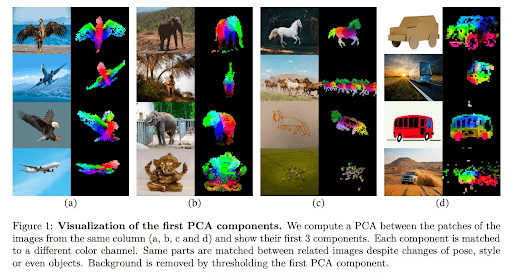
DINOv2 - Explications pas à pas - Picsellia
Découvrez DINOv2, une évolution de DINO. Essayez d'utiliser une méthode auto-supervisée appliquée aux Vision Transformers. Cette méthode permet d'obtenir des features visuelles polyvalentes.

Découvrez piSAM : le dernier ajout à la boîte à outils de vision par ordinateur de Picsellia
Découvrez piSAM, le Picsellia Segment Anything Model. piSAM offre une segmentation d'images rapide et précise en un seul clic. Améliorez vos projets de Vision AI.
VLMs vs. CNNs : une nouvelle ere s'annonce-t-elle pour les performances en vision par ordinateur ?
Decouvrez si les Vision Language Models (VLMs) surpassent les reseaux de neurones convolutifs (CNNs) en vision par ordinateur.